
Knowing the best time to sell a car can make a difference of hundreds or even thousands of dollars in your pocket.
Timing truly matters when it comes to getting top dollar for your vehicle. The market fluctuates throughout the year, with seasonal patterns affecting buyer demand and inventory levels.
Our other contents and tools
Keep browsing our site.
Understanding these patterns can help you strategically plan your sale to maximize your profit.
Whether you’re selling a convertible, SUV, or family sedan, the season and month you choose can significantly impact your bottom line.
Key Takeaways
- Timing is crucial for maximizing profit when selling a car, with market fluctuations impacting demand and inventory.
- Spring and early summer generally offer the highest demand, especially due to tax refunds and families preparing for summer trips.
- Vehicle-specific timing matters: sell convertibles in early spring, SUVs in the fall, and family vehicles before the school year.
Best Time to Sell a Car: How to Maximize Your Profit
Navigate to What Matters
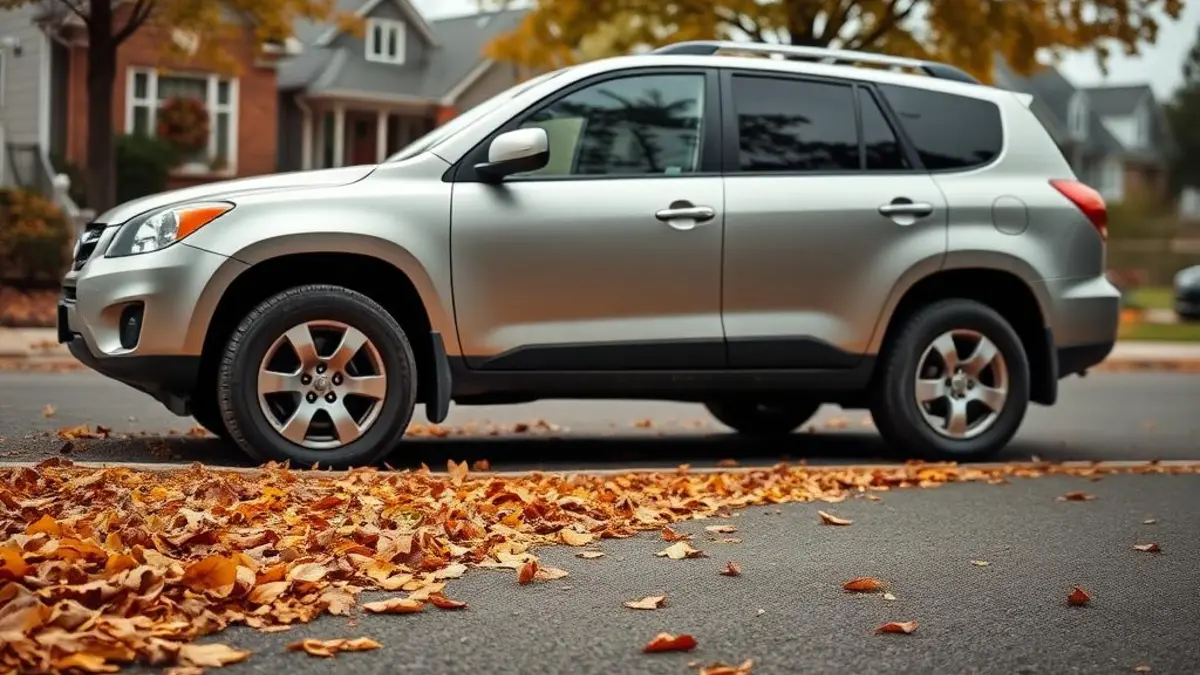
“The best time to sell a car depends on multiple factors including your vehicle type, local market conditions, and proper preparation.”
Why Timing Matters When Selling Your Car
When to sell car for most money depends on various market factors that shift throughout the year. Car values aren’t static – they respond to changes in demand, inventory cycles, and broader economic trends.
Supply and demand principles apply strongly in the car market. When dealer inventories are low and buyer interest is high, you can command better prices for your vehicle.
Economic factors like gas prices can dramatically affect certain vehicle segments. For example, when fuel costs spike, fuel-efficient vehicles become more desirable, while gas-guzzlers may lose value.
Since the COVID-19 pandemic, inventory shortages have created unusual market conditions, making timing even more critical for sellers looking to maximize their return.
Best Months to Sell a Car: Seasonal Guide
The best month to sell car depends largely on the type of vehicle you own and your local climate. However, some general seasonal patterns hold true across most markets:
